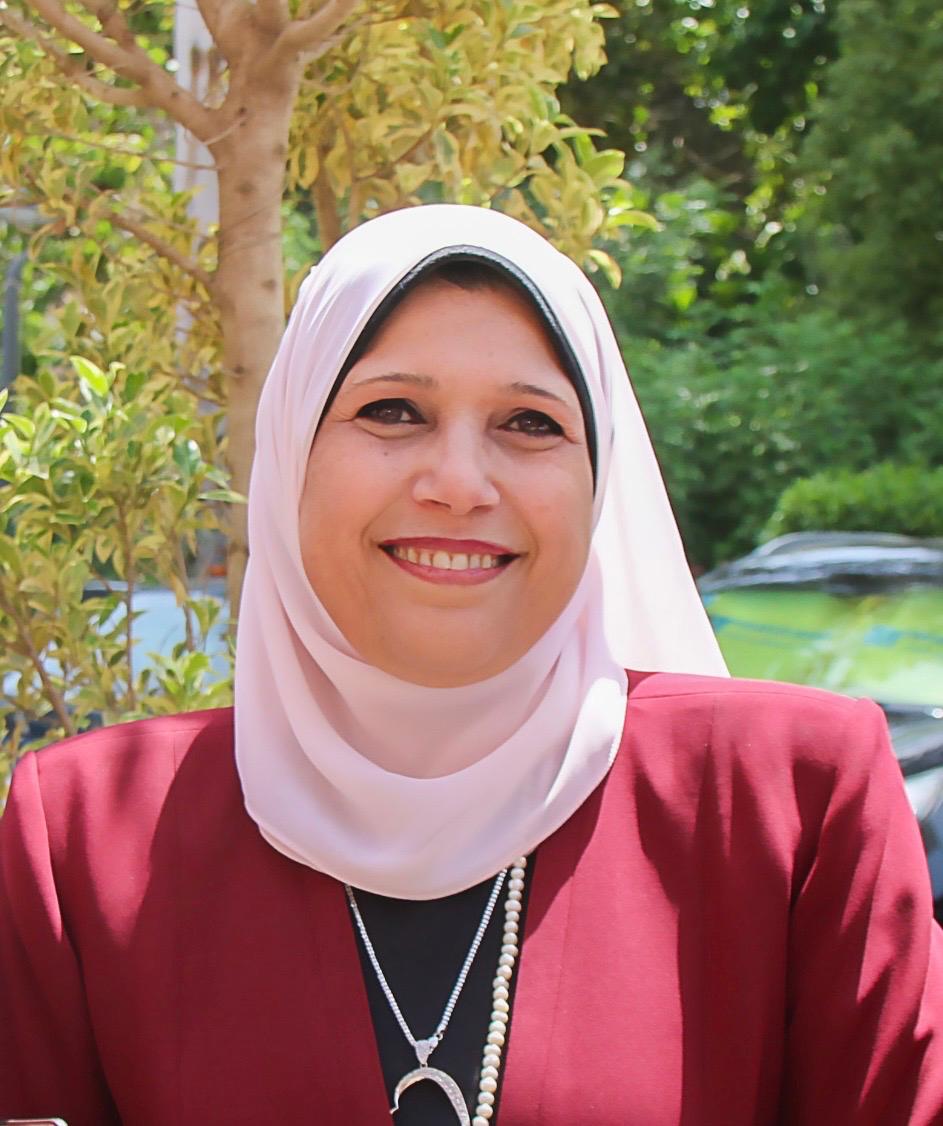
Prof. Hala Mahmoud Mohamed Khalaf
The Community Service and Environmental Development Sector is one of the key sectors that contribute to fulfilling the requirements of the educational system and ensuring quality performance at both the faculty and university levels through its active role. The sector aims to establish a strong bridge between the academic and scientific aspects and the societal and environmental aspects, making it a way of life aligned with sustainable development.
This can be achieved through active contributions in identifying societal problems, providing innovative solutions, discussing sustainable development issues, opening communication channels with key societal stakeholders, maintaining continuous engagement with all relevant parties, and regularly assessing satisfaction levels at all levels. These efforts aim to achieve excellence, competitiveness, and leadership in this field for our faculty and esteemed university.
To achieve these goals, the faculty is committed to the following:
- Ensuring that the community service and environmental development plan aligns with the needs and priorities of the surrounding community.
- Providing awareness programs about the plan and activities of community service for students, faculty members, supporting staff, and relevant societal stakeholders.
- Documenting the committees, units, and centers established to support community service, promote societal participation, and develop the environment—defining their roles and maintaining reports on their activities.
- Diversifying educational, research, and service activities aimed at environmental development and community service to meet societal needs and priorities. These include forming agreements and partnerships with industry leaders and the local community, capacity building, continuous professional development, environmental education aligned with specializations, literacy programs, applied scientific research, consultancy services, training programs, and medical and educational outreach initiatives.
- Maintaining records of these services and activities over the past three years.
- Providing services and activities related to the COVID-19 pandemic based on an assessment of community needs.
- Keeping data on councils and committees (such as specialized units, the Community Service Committee, etc.) in which community representatives participate, including industry leaders, trade union members, and officials from relevant ministries.
Prof. Hala Khalaf